Call Off: Definition, Policies & Coverage Recovery Playbook
Need to call off work? Here's what to say, when to say it, and what happens next. For managers: how to handle it without scrambling.

What Is a Call-Off?
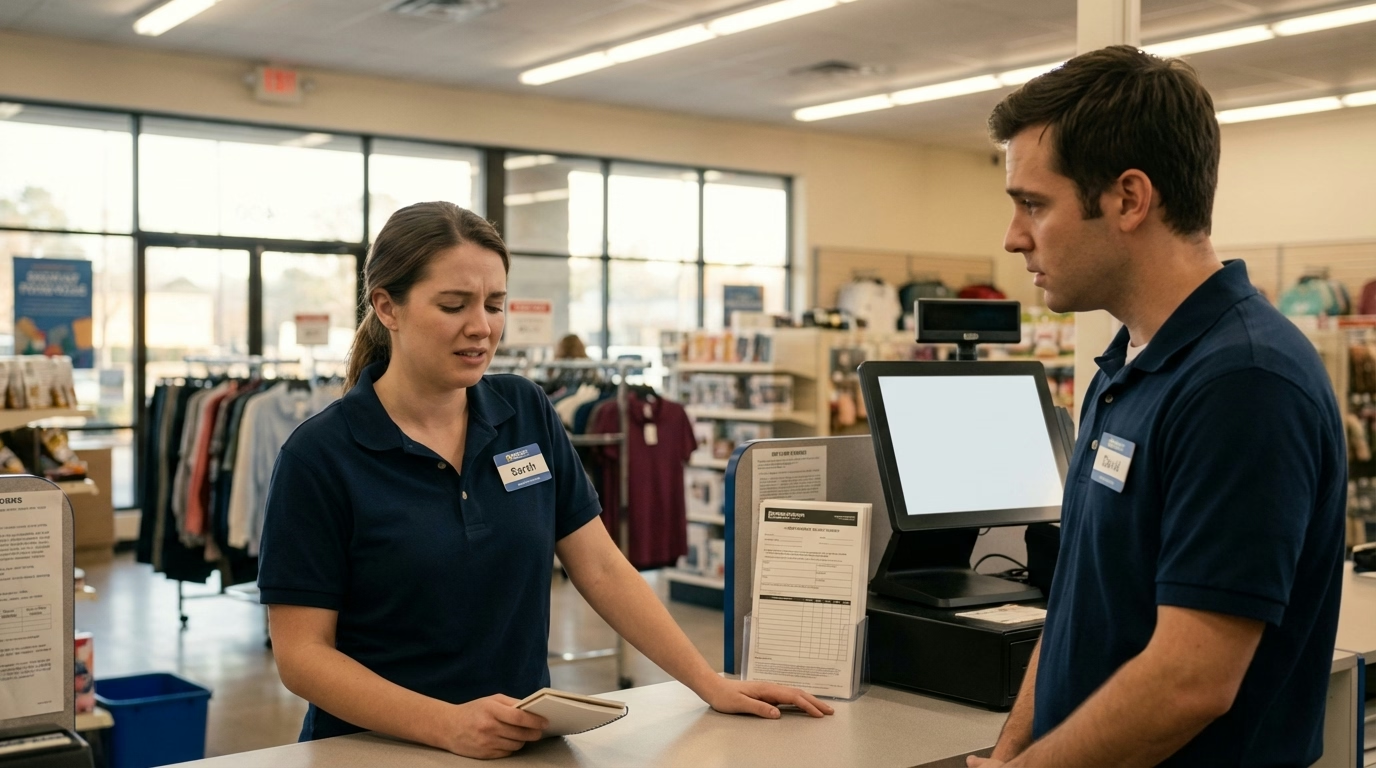
It’s 5 AM and you wake up with a fever. Or your kid’s daycare just called—they’re closed today. Or your car won’t start and there’s no way to get to work. You need to call off, but you’re not sure what to say, who to contact, or whether you’ll get in trouble for it.
A call-off (also “calling out” or “calling in sick”) is when you notify your employer on short notice that you can’t work your scheduled shift. Unlike planned time-off requests made weeks in advance, call-offs happen within 24 hours of your shift and put your manager in scramble mode to find coverage.
The key difference
Call-off = you notify your employer before your shift. No-call/no-show = you just don’t show up without telling anyone. The second one gets you in serious trouble because it gives zero time to find a replacement.
If You Need to Call Off
Here’s what to do and say:
When to call: As early as possible. Most policies require at least 2 hours before your shift, but earlier is always better—it gives your manager more time to find coverage.
Who to contact: Your direct supervisor or manager, not a coworker. Use whatever method your company requires (phone call, text, app notification). If you can’t reach them, leave a voicemail AND send a text/email so there’s a record.
What to say: Keep it brief and professional. You don’t need to overshare medical details.
“Hi [Manager], this is [Name]. I won’t be able to make my shift today at [time] due to [brief reason: illness/family emergency/car trouble]. I apologize for the short notice. Please let me know if you need anything from me.”
Acceptable reasons: Personal illness, family emergencies, medical appointments, severe weather, bereavement, car trouble, childcare issues. Some states have paid sick leave laws that protect your right to call off for health reasons without penalty.
What Managers Need to Know
When someone calls off, you’ve got about 30 minutes to find coverage before it becomes a crisis. Here’s the playbook:
Legal Protections You Must Know
Federal Requirements
| Protection | Coverage | Notice Required | Penalties for Violation |
|---|---|---|---|
| FMLA | 12 weeks unpaid leave | 30 days if foreseeable, ASAP if not | Back pay + liquidated damages |
| ADA | Reasonable accommodations | Interactive process | Compensatory + punitive damages |
| NLRA | Protected concerted activity | Varies by situation | Reinstatement + back pay |
| Jury Duty | Time off for service | Per court summons | Criminal contempt charges |
State-Specific Protections
| State | Paid Sick Leave | Additional Protections | Accrual Rate |
|---|---|---|---|
| California | Required | Safe leave, kin care | 1 hour per 30 worked |
| New York | Required | Paid family leave | 1 hour per 30 worked |
| Oregon | Required | Any reason acceptable | 1 hour per 30 worked |
| Texas | Not required | None beyond federal | N/A |
| Massachusetts | Required | Small employer coverage | 1 hour per 30 worked |
Key Compliance Points
- No retaliation for protected absences (FMLA, ADA, jury duty)
- No attendance points for FMLA-qualifying absences
- Documentation limits vary by jurisdiction (see DOL guidance)
- Written policies must align with all applicable laws
Essential Policy Components
- Notification requirements — Minimum notice window, approved channels, acknowledgment process
- Acceptable reasons — Illness, emergencies, bereavement, protected leave, weather
- Documentation standards — When proof is required, privacy boundaries (HIPAA, ADA)
- Disciplinary framework — Progressive steps with 12-month lookback; exclude protected absences
- Replacement protocol — Order of operations: volunteers → on-call pools → overtime → agency
- Payroll impact — PTO drawdown vs unpaid leave; no-call/no-show penalties separate
Manager Response Protocol
| Step | Action | Timing |
|---|---|---|
| 1. Acknowledge | Confirm receipt, log in system | Immediate |
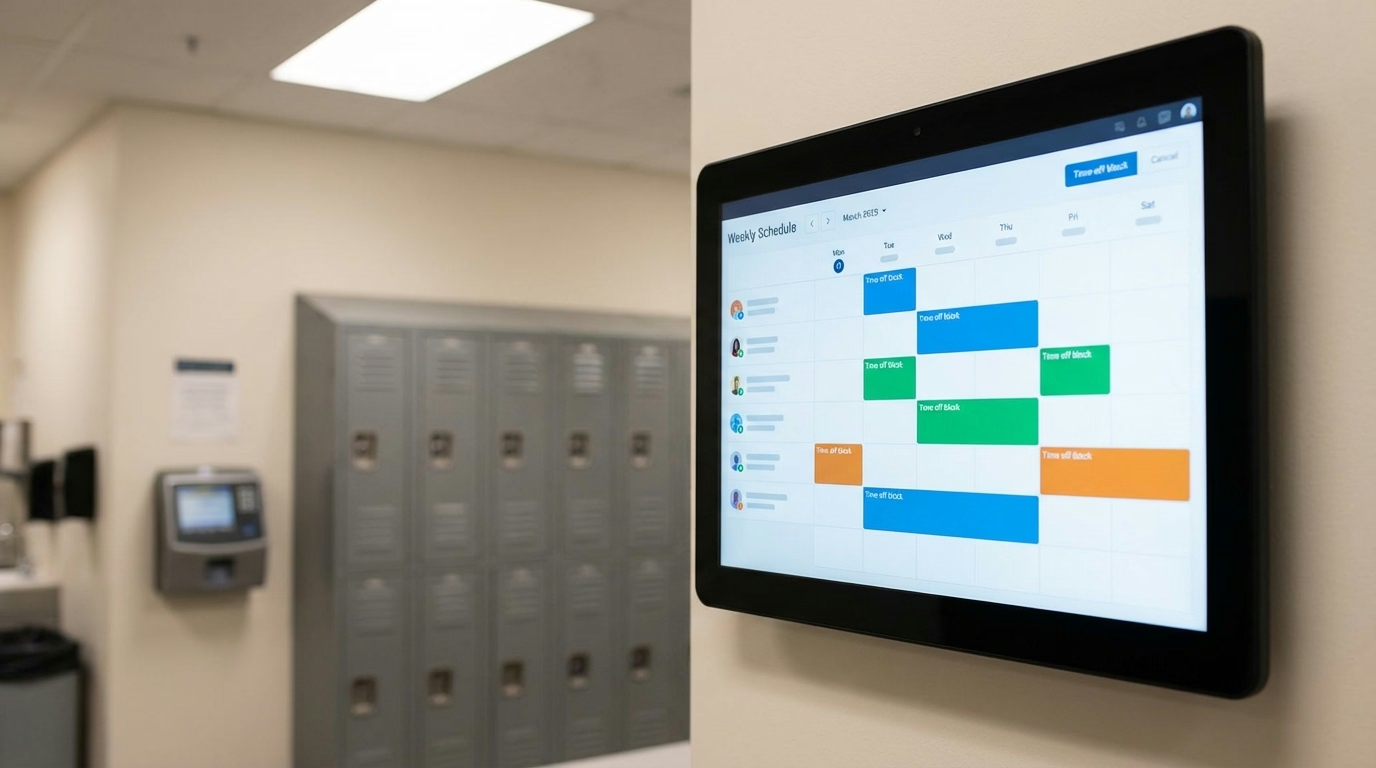
| 2. Update Systems | Mark shift open in scheduling software | Within 5 min |
| 3. Find Coverage | Volunteers → on-call → OT approval | Within 30 min |
| 4. Document | Note replacement, compliance issues | Before shift |
| 5. Close Loop | Check in before employee’s next shift | Day before return |
Coverage toolkit: Maintain on-call pools with premium pay, enable governed shift swaps, forecast high-risk periods (holidays, storms).
Key Metrics
| Metric | What It Shows | Action If Elevated |
|---|---|---|
| Call-Off Rate | % of shifts cancelled within 24 hours | Investigate root causes, adjust staffing |
| Coverage Fill Time | Minutes to confirm replacement | Expand backup pool, automate notifications |
| Repeat Offenders | 3+ call-offs in 90 days | Coaching, escalate via policy |
| Pattern Violations | Monday/Friday/holiday clustering | Additional documentation, spot checks |
Best Practices
- Publish schedules early — 2–4 weeks in advance reduces last-minute call-offs
- Enable quick swaps — Empower employee-initiated trades within guardrails
- Support high-risk shifts — Transportation/childcare assistance prevents absences
- Celebrate reliability — Bonuses or preferred scheduling for low call-off rates
- Use technology — Mobile-first scheduling, compliance automation, forecasting analytics
The Bottom Line
Organizations with disciplined call-off playbooks see 34% fewer unplanned absences, 67% faster coverage, and 52% less overtime. Balance accountability with empathy when genuine emergencies surface.
Try ShiftFlow’s workforce management platform for automated call-off tracking and coverage recovery.
Frequently Asked Questions
How is a call-off different from a no-call, no-show? A call-off involves notifying your employer before shift start. A no-call, no-show means failing to notify—disciplined more severely because it offers no chance to arrange coverage.
Can employers require proof for every call-off? Reasonable documentation can be required, but employers must respect privacy laws and protected leave rights (ADA, state sick leave).
What is a fair disciplinary ladder? Most use escalating warnings within a 12-month window: verbal → written → final → suspension/termination. Exclude protected absences.
What are acceptable reasons to call off? Personal illness, family emergencies, medical appointments, severe weather, bereavement, jury duty, and legally protected leave (FMLA, ADA, state sick leave).