
What Is a 2-2-3 Work Schedule?
Work two days, off two, work three, off two—then flip to nights. Here's what the 2-2-3 schedule actually feels like.

What Is a 2-2-3 Work Schedule?
You just got a job offer at a manufacturing plant, and the schedule says “2-2-3 rotation.” What does that actually mean for your life?
The 2-2-3 schedule (also called the Panama schedule) rotates employees through 12-hour shifts: work two days, off two days, work three days, off two days. Then repeat—but swap between day and night shifts every two weeks.
Here’s what that actually looks like: This week you work Monday-Tuesday (6 AM–6 PM), you’re off Wednesday-Thursday, then you work Friday-Saturday-Sunday. Next week you’re off Monday-Tuesday, work Wednesday-Thursday, and have Friday-Saturday-Sunday completely off.
The appeal: you get every other weekend completely free, three-day weekends every other week, and fewer commutes. The catch: 12-hour shifts are long, and flipping between days and nights every two weeks messes with your sleep.
The bottom line on 2-2-3
You’ll work 36–42 hours per week, average 40 over each two-week cycle, and get one full weekend off per month. Common in emergency services, healthcare, manufacturing, and utilities—anywhere that runs 24/7.
How Does a 2-2-3 Schedule Work?
The pattern repeats every two weeks:
Week 1:
- Monday–Tuesday: Work
- Wednesday–Thursday: Off
- Friday–Sunday: Work
Week 2:
- Monday–Tuesday: Off
- Wednesday–Thursday: Work
- Friday–Sunday: Off
Four teams (A, B, C, D) rotate to provide continuous coverage. Teams A and B alternate on day shifts, while Teams C and D alternate on night shifts. This ensures 24/7 operations with two teams always working—one on days, one on nights.
What Are the Benefits of a 2-2-3 Work Schedule?
- Every other weekend off — Two out of four weekends completely free
- Predictable routine — Repeating cycle simplifies planning
- Extended rest — Three-day weekends every other week
- Fewer commutes — Less trips to work per week
- 24/7 coverage — Four teams ensure operations never stop
- Better retention — Regular weekends off reduce turnover
- Fewer handoffs — Two shift changes per day reduces errors

What Are the Drawbacks?
- Fatigue from long shifts — Twelve-hour workdays cause exhaustion, though less extreme than an 80-hour work week
- Sleep disruption — Switching between days and nights every two weeks affects circadian rhythms
- Half weekends working — Every other weekend interferes with family commitments
- Limited flexibility — Fixed patterns make shift swaps difficult
Who Uses the 2-2-3 Work Schedule?
Industries requiring 24/7 operations:
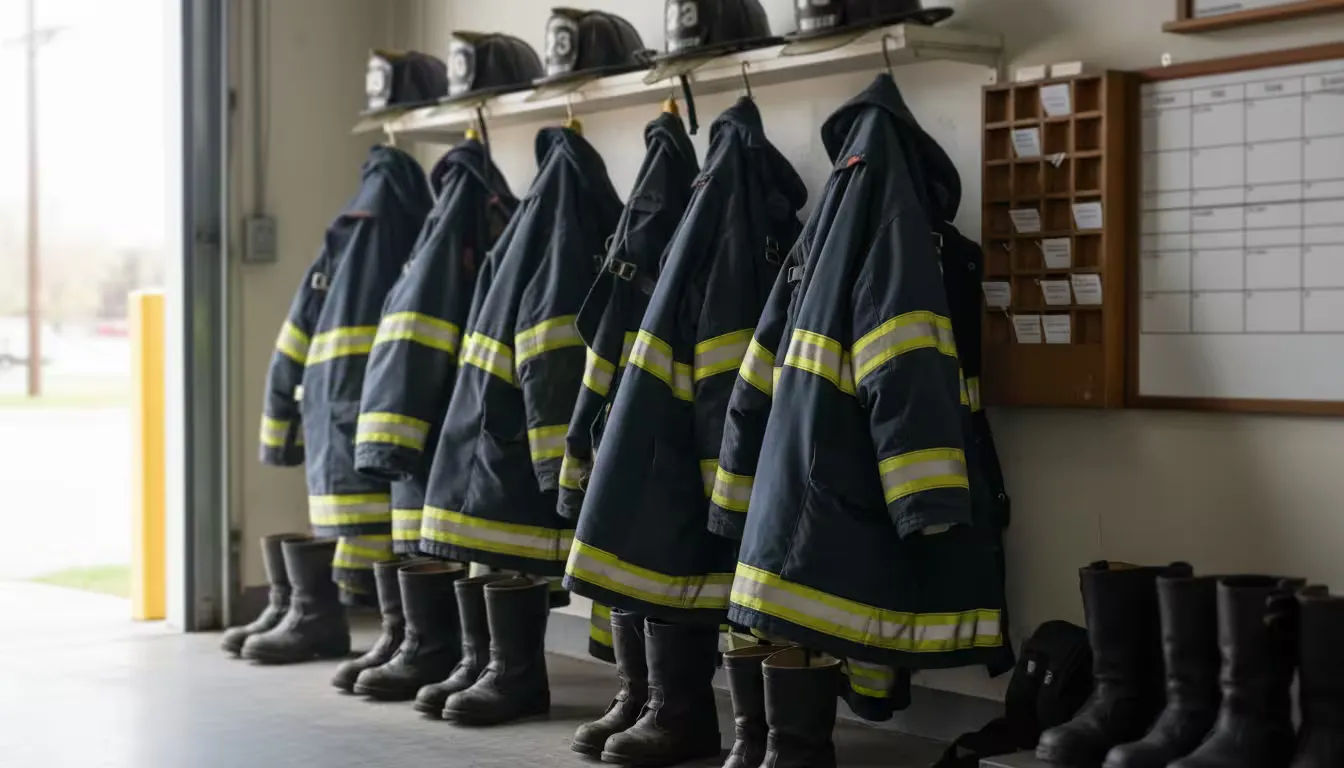
Emergency services — Police, fire, EMS maintain round-the-clock teams. Shift supervisors coordinate coverage across teams.
Healthcare — Nurses, emergency departments, and ICUs use rotating schedules.

Manufacturing — Continuous production lines with working conditions designed to minimize fatigue.
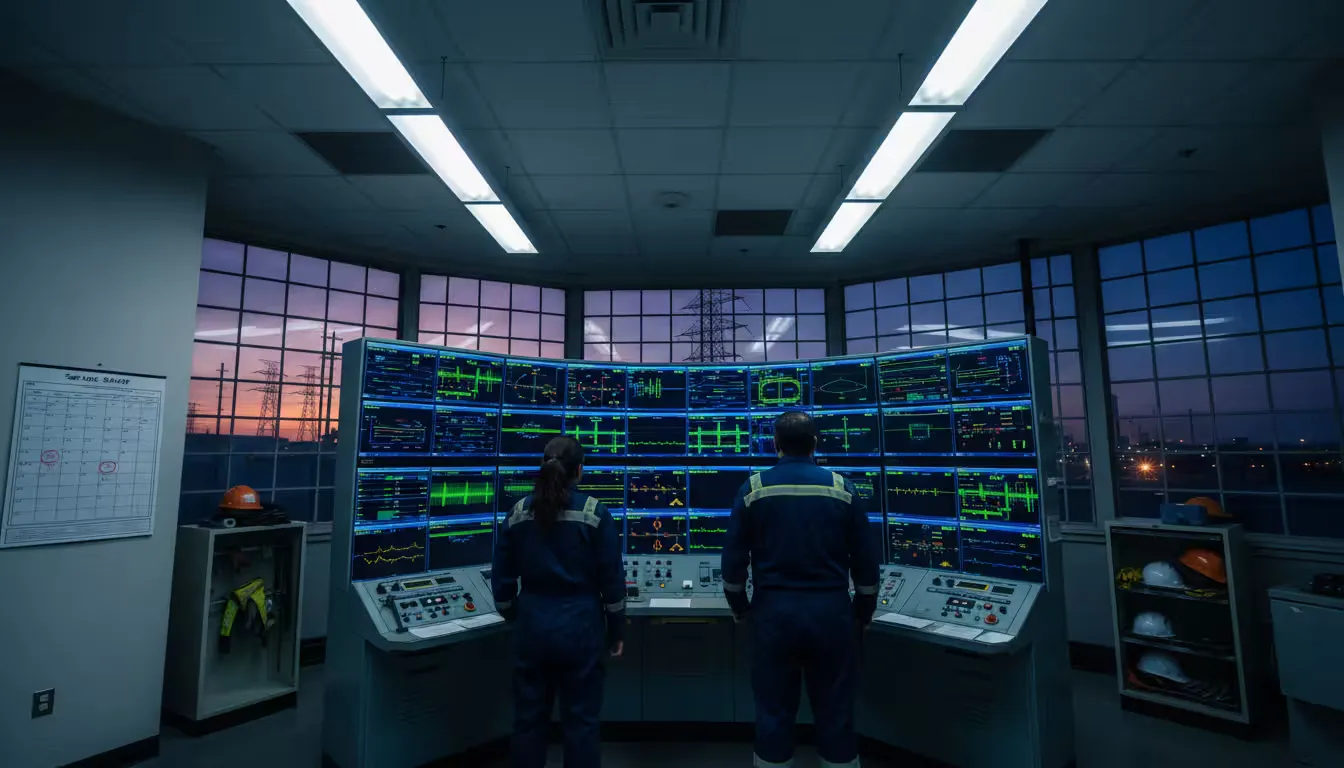
Utilities — Power plants, water treatment, telecom need constant monitoring.
Security — Uninterrupted facility protection.
How Does It Compare to Other Schedules?
| Schedule Type | Work Pattern | Key Difference |
|---|---|---|
| 2-2-3 (Panama) | 2 on, 2 off, 3 on, 2 off | Every other weekend off |
| Pitman (2-3-2) | Same as 2-2-3, counted differently | Identical to 2-2-3 |
| DuPont | 4-week rotation, up to 7 days on | Longer work stretches |
| 4-on, 4-off | 4 consecutive days on, 4 off | No guaranteed free weekends |
The DuPont schedule runs on a 4-week rotation with longer stretches.
How Do You Implement a 2-2-3 Work Schedule?
- Confirm 24/7 need — Verify continuous operations fit your work type
- Build four teams — Balance skills so each operates independently
- Set shift times — Define day/night hours with handoff time (e.g., 6 AM–6 PM)
- Map the rotation — Create 28-day calendar for all teams
- Establish policies — Handle call-outs and overtime calculation
- Support health — Per NIOSH, rotating night shifts increase health risks; offer hourly rate differentials
- Monitor and refine — Track attendance and fatigue using a duty roster system
What Are the Legal Considerations?
Overtime compliance — The schedule results in 36–42 hours per week. Structure pay periods per FLSA requirements.
Meal and rest breaks — Twelve-hour shifts require breaks; requirements vary by state per state labor laws.
Scheduling notice — Some jurisdictions require advance notice under predictive scheduling laws.

Who Should Use a 2-2-3 Work Schedule?
Good fit: Need 24/7 coverage, can staff four teams, work suits 12-hour blocks.
Poor fit: Small teams, work requiring constant alertness, or staff unable to handle rotating nights.
Best Practices for Success
- Protect sleep — Use blackout curtains, white noise during night rotations
- Plan ahead — Schedule appointments during predictable off-days
- Stay healthy — Diet and exercise help manage long shift demands
- Prepare for rotation — Gradually adjust sleep before day/night switches
- Offer differentials — Premium pay recognizes night work challenges
- Build in breaks — Twelve-hour shifts require proper meal periods
Frequently Asked Questions
What does 2-2-3 mean in scheduling? Work 2 days, off 2 days, work 3 days, off 2 days in a repeating 12-hour shift pattern.
Is the 2-2-3 schedule the same as the Panama schedule? Yes, they’re the same rotating shift pattern with different names.
How many hours per week is a 2-2-3 schedule? Typically 36–42 hours per week, averaging 40 hours over the two-week cycle.
Sources
Manage Your 2-2-3 Schedule
ShiftFlow simplifies rotating schedules—track shifts, communicate changes, and keep teams informed. Start your free trial today.