What Is a Split Shift?
Learn what split shift schedules mean (workdays divided into 2+ periods with unpaid breaks), industries that use them, California split shift premium requirements, benefits, challenges, and best practices for implementation.

What Is a Split Shift?
A split shift is a work schedule divided into two or more separate working periods in a single day, with an unpaid break of at least one hour between the work sessions. The break is typically longer than a standard meal period and often lasts 2-4 hours.
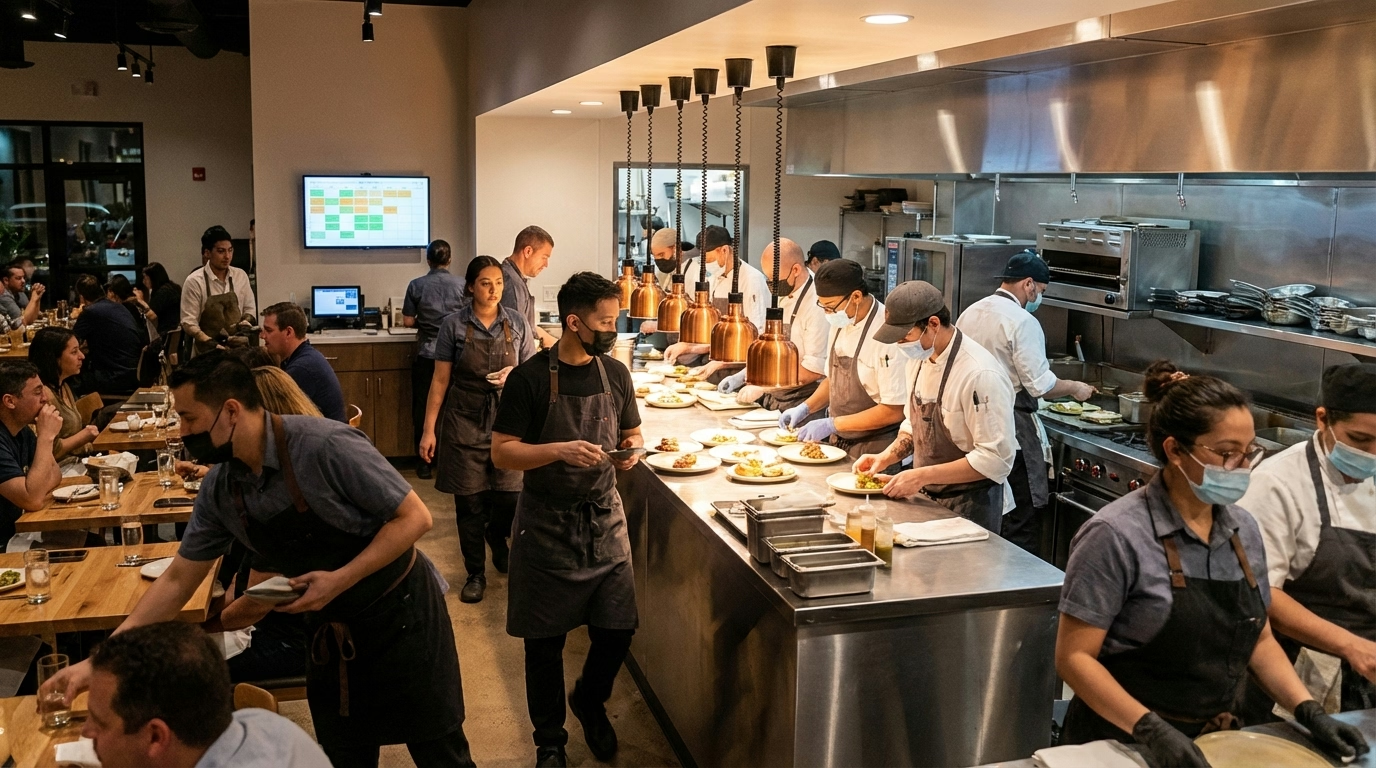
Split shifts allow businesses to match staffing levels to demand patterns—covering peak periods while sending workers home during slow times.
Quick Answer
Split shifts divide workdays into separate periods (e.g., 7am-11am, then 3pm-7pm) with unpaid breaks between. Common in restaurants covering lunch/dinner rushes and transit covering morning/evening commutes. California requires split shift premium pay of one hour at minimum wage.
How Do Split Shifts Work?
Restaurant example:
- First shift: 11:00am – 2:00pm (lunch)
- Unpaid break: 2:00pm – 5:00pm (3 hours)
- Second shift: 5:00pm – 9:00pm (dinner)
- Total: 7 hours worked across 10-hour day
Transit example:
- First shift: 6:00am – 9:30am (morning commute)
- Unpaid break: 9:30am – 3:00pm (5.5 hours)
- Second shift: 3:00pm – 6:30pm (evening commute)
- Total: 7 hours worked across 12.5-hour day
Key characteristics: Unpaid break between shifts, all work occurs within one workday, typically recurring schedules, demand-driven staffing.

California Split Shift Premium
When required: Employer must pay premium when total daily wages (excluding overtime) are less than minimum wage multiplied by hours worked plus one additional hour.
Premium amount: One hour at California minimum wage ($16.00 in 2024).
Calculation example:
- Worker earns $17/hour, works 7-hour split shift
- Daily earnings: $119
- Minimum required: ($16 × 7) + $16 = $128
- Premium owed: $9
Higher earners: Workers earning significantly above minimum wage typically don’t qualify because daily earnings already exceed the threshold.
Exemptions: Premium doesn’t apply when unpaid break is one hour or less, worker lives at workplace, or worker’s regular rate already exceeds minimum plus premium.
Industries Using Split Shifts
Restaurants and Food Service: Lunch (11am-2pm) and dinner (5pm-9pm) rushes create predictable demand peaks.
Public Transit: Morning commute (6am-9am) and evening commute (4pm-7pm) periods require coverage.
School Support Services: Transportation and food service needed at arrival, lunch, and dismissal times.
Healthcare: Emergency departments and admissions have predictable peak periods.
Hospitality: Check-in (3pm-6pm) and check-out (7am-11am) create staffing needs.
Benefits and Challenges
For Employers
Benefits: 15-25% labor cost reduction, precise coverage matching demand, attract certain workers (students, parents), reduced overtime.
Challenges: Recruitment difficulty, 20-30% higher turnover, morale issues, compliance complexity.
For Employees
Benefits: Mid-day break for errands/family time/appointments, working nearly full-time hours without long shifts, predictable schedules.
Challenges: Long total days (10-12 hours committed, 6-8 paid), double commute daily, fatigue from two work periods, limited second job options, childcare complications.

Legal Requirements
Federal Law (FLSA)
No special requirements; split shifts legal with no premium pay required. Must pay minimum wage for all hours worked. Overtime applies normally if total hours exceed 40 per week. Breaks longer than 20 minutes can be unpaid.
California Requirements
Premium pay required when daily earnings fall below threshold. Standard meal break rules still apply. Must track split shift premium calculations on pay stubs.
Other States
Massachusetts has some retail restrictions. New York requires “call-in pay” if split shift improperly scheduled. Oregon predictive scheduling laws limit split shifts in some industries.
Best Practices
Policy clarity: Define split shifts, specify premium pay beyond legal minimums, make voluntary when possible.
Communication: Provide schedules 2+ weeks in advance, document rules in writing, survey preferences, offer alternatives.
Compensation: Consider premium above legal minimum, transportation allowance for double commute, meal stipends, limit to 2-3 split shifts per week.
Alternatives: Consider staggered shifts, separate part-time teams using contract-to-hire arrangements, shift swapping systems, cross-training, flextime arrangements, or workforce management software to optimize scheduling.
Reducing Reliance
Restaurants: Offer continuous “mid-shift” covering lunch through early dinner with varied tasks.
Transit: Hire separate part-time AM and PM teams instead of split shifts.
Schools: Partner with employers offering morning/afternoon-only work for combined employment.
Retail: Use part-time staff with staggered shifts instead of split shifts, or implement employee roster planning tools to optimize coverage and reduce employee tardiness issues.
These alternatives often improve retention and employee satisfaction while maintaining coverage.
Sources
- California Department of Industrial Relations – Split Shift Premium
- U.S. Department of Labor – Work Hours and Breaks
- Society for Human Resource Management – Scheduling Practices
Further Reading
- Staggered Shifts Explained – Alternative scheduling approach
- Employee Roster Planning – Scheduling best practices
- Flextime Management – Flexible schedule options
- 1st Shift Hours – Standard shift patterns
- Employee Tardiness – Managing attendance issues
Frequently Asked Questions
What is a split shift?
A split shift is a work schedule divided into two or more separate periods in one day, with unpaid breaks of at least one hour between sessions. Common in restaurants (lunch/dinner rushes) and transit (morning/evening commutes).
What is California split shift premium?
California requires employers pay one additional hour at minimum wage when unpaid breaks cause total daily earnings to fall below minimum wage plus one hour, compensating for divided schedule inconvenience.
Are split shifts legal?
Yes, under federal law with no special compensation required. However, California and some jurisdictions mandate premium pay. Workers must receive minimum wage for all hours worked.
How is split shift premium calculated in California?
Premium = (Minimum wage × hours worked + minimum wage) - actual daily earnings. If result is positive, employer pays that amount. Example: Worker earning $17/hr for 7 hours: ($16×7 + $16) - ($17×7) = $9 premium.
Can employers require split shifts?
Yes, unless restricted by contract or state law. However, mandatory split shifts harm recruitment and retention. Best practice: make voluntary and offer premium pay above legal minimums.
How do split shifts affect overtime?
Split shifts don’t change overtime rules. If total hours exceed 40 in a workweek (or 8 in a day in California), overtime rates apply normally.